0345 519 8532

Private Health Insurance

Understand what private medical cover may help pay for.

Private health insurance can help pay for eligible private medical treatment. Personal cover can include you and your family; a group arrangement is normally provided through an employer. The hospitals, treatment and benefits available depend on the individual policy, so two policies described as “private health insurance” will not necessarily offer the same cover.

It is not life insurance and it does not pay a cash sum simply for becoming ill. It also does not replace all NHS care — some conditions, treatments or ongoing care needs may sit outside what a policy covers, and emergency treatment is normally still provided through the NHS.

Understand these before comparing cover

Personal or group cover

Personal policies are arranged individually and can include your family. Group cover is normally arranged through an employer for its employees. The two work differently, so check who is covered, who owns the policy and what happens if your employment or personal circumstances change.

Underwriting and existing conditions

Insurers assess applications in different ways, and pre-existing or chronic conditions may be excluded or affect the terms offered. What counts as pre-existing, and how it is assessed, should be clear before you rely on a policy for a particular condition.

Excesses, limits and exclusions

Policies can include an excess you pay towards a claim, along with limits on particular treatments and specific exclusions. Check these details rather than assuming a policy will meet every cost of a course of treatment.

Compare cover against your needs, not price alone

The cheapest available policy will not necessarily match the hospitals, specialists or treatments that matter most to you. Consider the network of hospitals and consultants, any restrictions on outpatient or mental health treatment, and how the policy treats conditions that develop after cover starts.

Private health insurance sits alongside the NHS rather than replacing it. Decide what you want a policy to help with — for example, quicker access to diagnosis and elective treatment — and check the policy wording for what is and is not included before choosing between personal and group options.

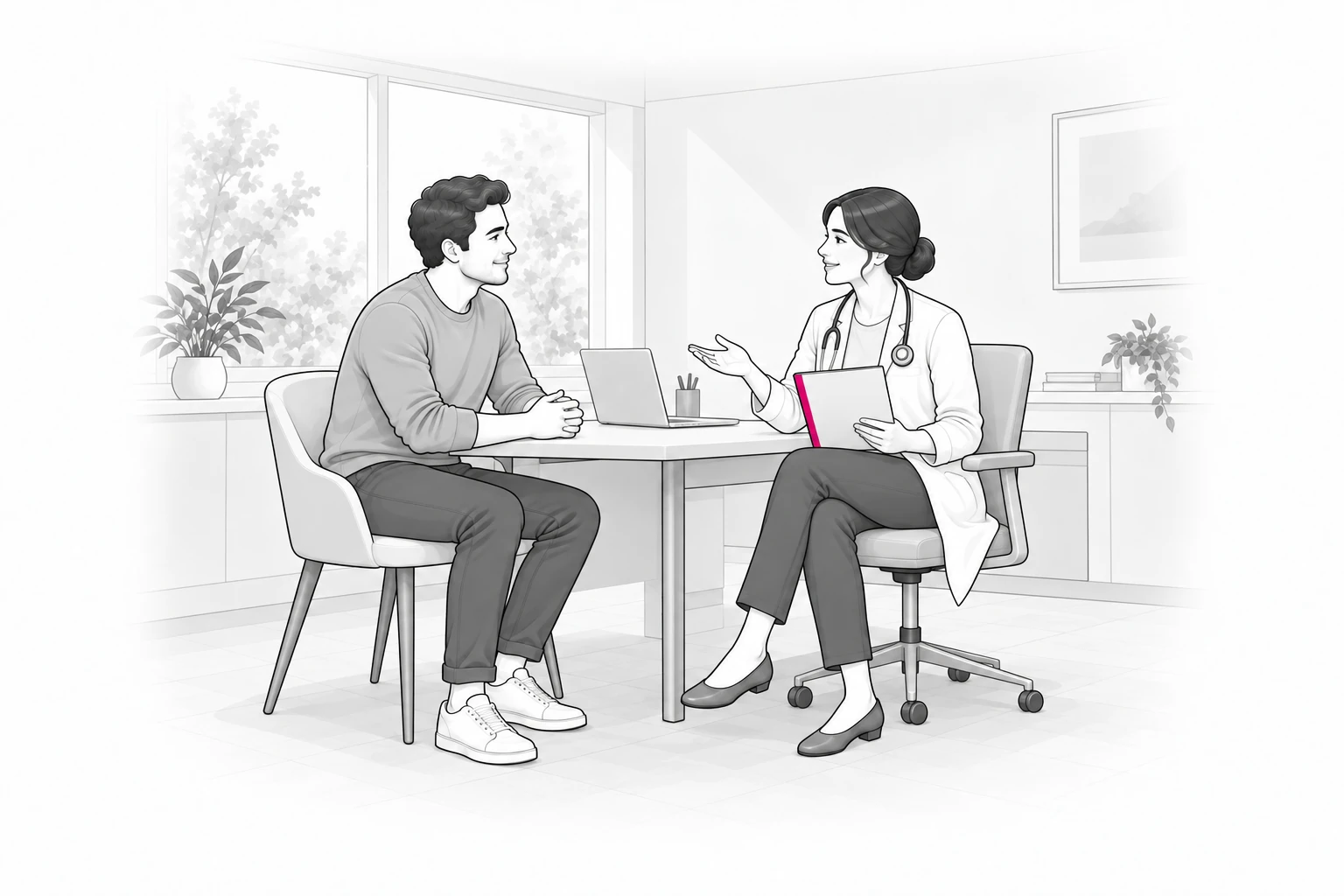
How protection advice works

  1. Understand your needs

    We’ll discuss your circumstances, existing cover and budget, including the people or commitments you want the insurance to support.

  2. Explain the recommendation

    We’ll explain the recommended policy, its premiums, benefits and important limitations, so you can consider what it would and would not cover.

  3. Check the final terms

    If you choose to proceed, the insurer assesses the application. Check the terms offered and the confirmed start date before relying on cover.

Getting started

Does private health insurance cover everything the NHS does?

No. It does not replace all NHS care. Policies help pay for eligible private treatment as defined by their terms, and emergency care is normally still provided through the NHS. Check what a policy includes before assuming a particular condition or treatment is covered.

What happens if I already have a medical condition?

Pre-existing or chronic conditions may be excluded, or may affect the terms an insurer offers. How a condition is assessed depends on the insurer and the type of underwriting used. Confirm this before relying on cover for an existing condition.

Can I have cover through my employer and arrange my own as well?

This depends on the group scheme and the personal policy involved. Group cover arranged by an employer may end or change if your employment does, so check whether you would want or need separate personal cover to continue.

Cover, exclusions and claim conditions vary. Keep up the required premiums to maintain your cover.

Victoria Financial Solutions

VFS Help

Hello! What can we help you with today?

Please don’t enter personal, financial or medical details. Searches stay in your browser and are not saved or sent to VFS.